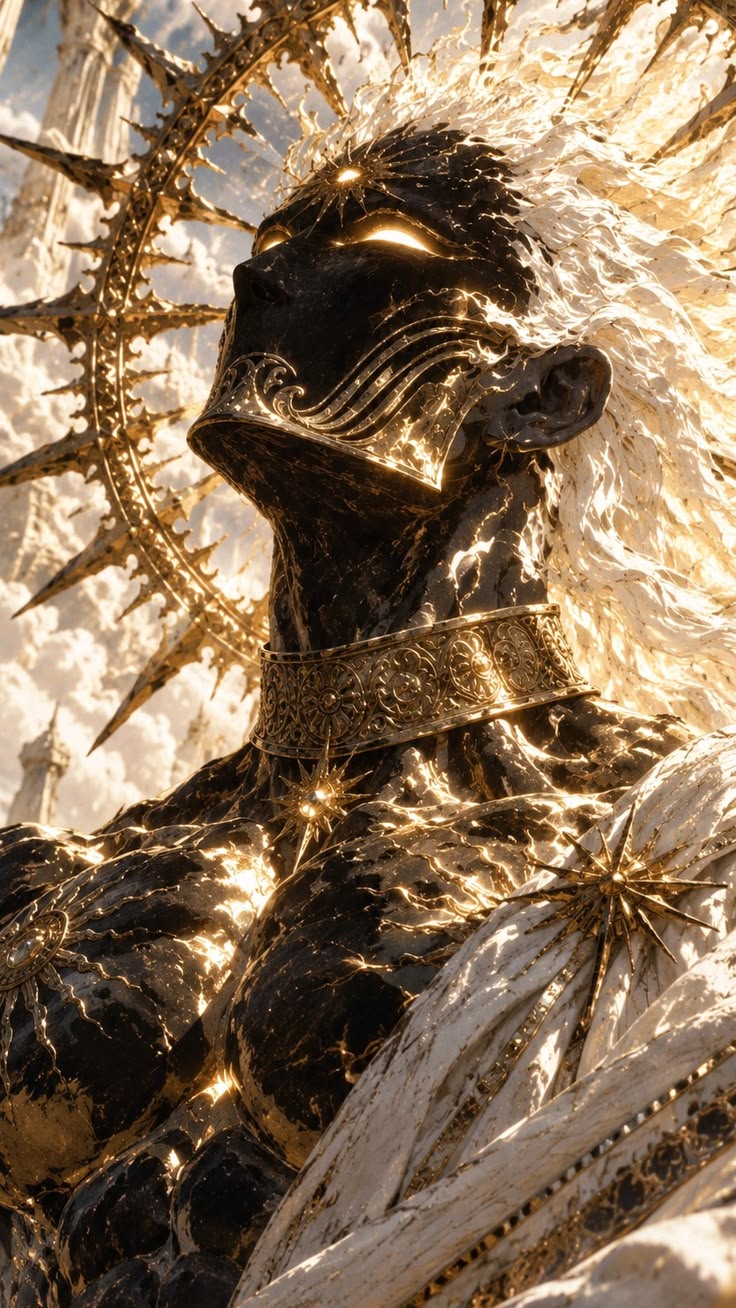

CAME UP DANGEROUS
Mase_MadeIt · NLB Music Group × CHO53N RECORDS
Intro
(Mase_MadeIt)
Hook
I came up dangerous, block life trained us
Whip got stainless, opps can’t tame us
She love my pain, but she hate how I’m famous
They want smoke till the Glock leave ’em brainless
Verse 1
Mama you could pray but this the life I choose
I was 14 with a scale and a boot
Eyes dark, no fear, just youth
Youngin catch a charge they can’t put me on the news
They talk tough on a post then ghost
I don't do net beef—just toast
Slide in the Civic, masked up—no COVID
Opps tried slide, but their whip got folded
I was in the cut with a tool like a soldier
Now I'm in the city where the blocks got colder
Bad one callin’ like “boy don’t change”
Bitch move aside don’t be fuckin up my aim
Bridge
Cold nights, warm strap
Try me, you'a pay for that
Shorty bad, I can’t get attached
Trust issues, I won't take her back
Back door you won't catch me man (Aye)
Cold nights, warm strap
Try me, you'a pay for that
Shorty bad, I can’t get attached
Trust issues, I won't take her back
Back door you won't catch me man (Aye)
Verse 2
Blick in the coat, I’m posted
Racks in the safe, it’s stolen
Ten on my chain, she noticed
VVS cold like solstice
My Rarri so fast, can’t floor it (Yea)
I’m swerving with your boo, she soaking
Got her on my dick, deep throating
Hit from the back, then ghosted
Drowned all my life in potions
Still on the run from emotions
Came from the dirt, now the ceiling got stars
I was dreamin’ in the trap, now I’m speedin’ foreign cars
Keep the heater by the dash, never trust who they are
Every smile ain’t real, they just want what’s ours
Diamonds on my neck, now they dance in the rain
Every scar on my soul, I just turned into chains
Whole city know my name, but the love feels strange
Seen bros switch sides, that’ll never feel the same
Hook
I came up dangerous, block life trained us
Whip got stainless, opps can’t tame us
She love my pain, but she hate how I’m famous
They want smoke till the Glock leave ’em brainless
Outro
(Mase_MadeIt)
What the Bad Years Taught You to Keep
DAMARI · ʿIlm al-Abwāb
“Mama you could pray but this the life I choose.” In the next line, Mase takes us back to fourteen. Then he gives us the description I’d keep beside the claim of choice: “Eyes dark, no fear, just youth.” The speaker insists that the choice was his. He also tells us how young he was when he began making it. The hook gives that choice a history in four words: “block life trained us.”
The training is still audible when the money comes in and the ceiling has stars. The speaker can change what he drives and where he sleeps while keeping the same rules about how close anybody gets. That’s what I hear the song asking about the bad years. What do you do with the things you learned to keep once you need them less?
What can you save while it’s already hard?
The king in Joseph’s story gets advance notice. He dreams that seven lean cows devour seven fat ones. Joseph tells the people to sow for seven years and leave most of the harvest in its ears. The hard years will consume what they’ve saved, except for a little they keep in reserve. Then comes a year of rain, when people will press their produce again. What they keep during the good years gives them something to live on during the hard ones. What they hold back even then carries them closer to the return of rain.
In the life the song depicts, the bad years are already underway when the boy starts learning what to keep. The bridge puts the weapon next to the rule against getting attached. Both sit under “Cold nights, warm strap.” I can hear why the speaker would keep a warning close when some of the people he trusted switched sides. The hook also tells us what he threatens to do with that vigilance. There is another person at the other end of it, and their safety belongs in any account of what the speaker calls protection.
The words “Every smile ain’t real” leave room to distinguish one smile from another. The line just before it, “never trust who they are,” makes that harder. There’s enough space between those two lines for a practical question. What would somebody have to do over time for you to trust them with one small thing?
If there’s an answer, the years taught you to watch closely and you can still put the watching to use. If every new person comes under the same rule, what you learned about the people who betrayed you starts deciding the terms for people you’ve barely met.
The rain falls on the diamonds
“Every scar on my soul, I just turned into chains.” The line gives the jewelry a history and leaves the scar in the sentence. In the next bar, the whole city knows his name and the love still feels strange. The recognition is there. So is the part of him that doesn’t know what to do with it.
Chapter 50 of the Bāb’s Qayyūm al-Asmāʾ opens with the return of rain from Joseph’s story. Later in the chapter, the Bāb says that a single tear is dearer to God than an earth filled with gold spent in His path. He also calls for giving from wealth and closes by joining recognition of the Remembrance to actual assistance. The rain in Mase’s verse falls on jewelry that makes the scars visible as achievement. The Bāb’s chapter gives the tear a value the gold could never show. Read the song beside it and give both questions their time. What did it cost to get here? What can the person who got here now put within reach of someone else?
Chapter 49 opens with the hard years and gives different provisions around fasting for the traveller, the person who cannot bear the fast, and the person who has nothing to give. The difference is practical. What somebody can bear changes what is asked of them. That brings me back to the mother at the beginning of the record. Her son has told her what he’s chosen. If somebody in that position can still receive a meal, a ride, or a place to sit, there is something within reach while the larger conversation remains open. The Arabic Bayān gives that act a place of its own. If you cannot receive somebody inside, give them water outside the house.
What would let somebody sleep?
Ezekiel asks what the shepherds have been doing while the flock went untended. They fed themselves. The sheep scattered and were left exposed. Later, the chapter promises a Davidic shepherd and a covenant of peace. The detail I’d put beside “Cold nights, warm strap” is that the people will be able to sleep in the woods. You can tell what the shepherd’s care has changed by what the people themselves can do in a place where they used to have reason to stay awake.
That gives The King and His Herald a concrete test. In LIKE FREEDOM, Mase starts with “the walls in my path” and later says he’s “building a path for you to walk in.” The change is in whom the path is for. In the outro, he still says he feels trapped. So the turn in the song is a promise made while he can still feel the walls. If I call him the King in this sequence, the title has to answer to what he says he wants to make possible for somebody else. Ezekiel gives me a way to ask what that would look like from their side. Can they walk the path? Can they rest when they get there?
Joseph tells the people what to keep before there’s nothing to eat. CAME UP DANGEROUS gives me a boy who is already learning to keep watch. The two scenes put a question to anybody who has something within reach that the boy could use.
What can you put within reach of the next fourteen-year-old before the block finishes teaching him what he has to keep?