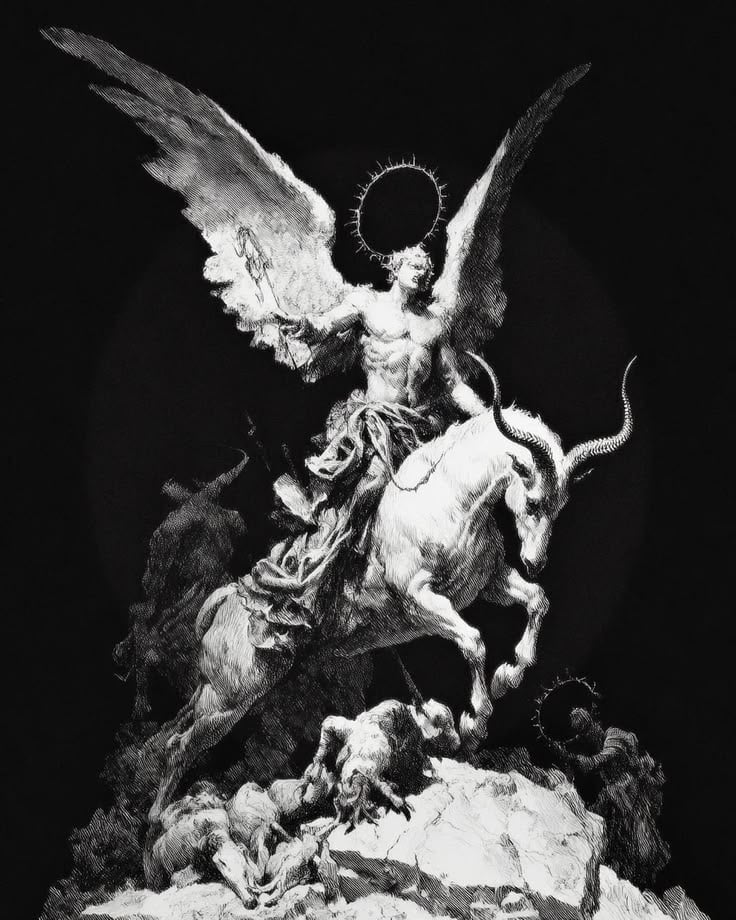

THE ONE
DAMARI
Hook
I wanted to save you
I wanted to save you
But you gotta save yourself
And I had to choose myself
Verse 1
I can feel you everywhere
In my heart, I feel your pain
You don’t have to say a word
I see it all over your face
You look at me different now
You feel the shift, and see the change
It’s like when I come around
The whole city starts to rain
Who can bear the weight of my heart?
Who can handle this pain?
If you met who you been waitin’ on,
Would you see the Devil in his place?
Feeel like I’m losing my mind
You tried to make me doubt myself,
I had to get right
Bridge
I showed you real love
When I’m gone,
They notice life gets numb
Love turned to fire in my lungs
Don’t drag it on (dragon), burn it up
Hook ×2
I wanted to save you
I wanted to save you
But you gotta save yourself
And I had to choose myself
Verse 2
I tried to show you
Wasn’t worth what you put me through
I had to reaaalize,
Baby, I can’t save you
I had to choose myself,
Always choose myself
Cut you off, locked in my focus
Bag came in, they noticed
Who else you text that to last night?
I won’t answer till you come right
Bet he don’t make you feel alive
You need to surrender to be mine
Show you love, I’ll show you life
Only the strong can survive it
They see me when it’s too late
Touched your heart, and revived it
Bridge
I showed you real love
When I’m gone,
They notice life gets numb
Love turned to fire in my lungs
Don’t drag it on (dragon), burn it up
Hook
I wanted to save you
I wanted to save you
But you gotta save yourself
And I had to choose myself
The Shirt Between the Summons and the Encounter
For the woman who hears something in the summons and is still deciding what it asks of her.
“If you met who you been waitin’ on, / Would you see the Devil in his place?” I give the question to the listener in THE ONE, but the first verse has already given her reason to ask it of me. I tell her I see her pain all over her face. I tell her how she looks at me now and what she feels when I come around. I speak with the confidence of somebody who thinks he can read what the other person hasn’t said. Then I tell her she made me doubt myself. By the time the verse ends, both people have had to reckon with what the other thinks they see.
Jacob catches Joseph’s scent while the caravan is still on the road. The people around him dismiss him. Then the bearer comes, lays the shirt on his face, and Jacob’s sight returns. The scent reaches him first. The shirt arrives later. Joseph is still elsewhere. There is room in that interval for a perception to be right before the person who had it knows everything it means. If a word reaches you with that sort of force, give it your attention. Give the person who spoke it time to show you something you can see for yourself.
What the wound can tell you
There are three shirts in Joseph’s story. The brothers stain one with false blood to give force to their account of his disappearance. Later, the direction of a tear helps distinguish between two accounts of what happened at a door. Finally, Joseph sends a shirt himself, and Jacob sees again. The first tells you how easily a mark can be made to serve a story. The second gives you a detail by which to test one. The third changes what the person receiving it can see.
“Who can bear the weight of my heart?” That question deserves to be heard at the scale of the person asking it. It is also a difficult question to receive from somebody you love. You can recognize that a person has suffered and still need to ask whether they’ve understood what happened between you. The tear in Joseph’s shirt is useful because it gives people something smaller than the whole story to examine. What was said? Who was there? What did you see that either of you might have to account for differently?
The Bāb gives the garment wounds of its own. In Qayyūm al-Asmāʾ 93:35–36, the shirt is pierced and bloodstained. Todd Lawson reads its pure blood against the false blood in Joseph’s story. Then the Bāb draws attention to a single thread in which God inspires a declaration of divine unity. The passage gives the wound its full weight and still asks the reader to look closely enough to find out what the garment bears. In the song, I ask who can bear my heart. In the chapter, the person who carries the shirt has something more precise to carry than the whole weight of somebody else’s pain.
What can you see through your own eyes?
In verse 37, the people lay the shirt on the face of the Proof. The Imam looks through their eyes, and their sight concerning the Gate sharpens. The people who carry the sign are changed by the encounter they helped make possible. Lawson notes a variant between “my Imam” and “your Imam.” He also connects the image to signs already present in the people through which recognition becomes possible. In his printed reading, greater sight is something the people themselves receive.
Shaykh Aḥmad al-Aḥsāʾī gives this a form I can understand. Water reaches ground and the ground brings forth growth. Fire reaches oil and a lamp gives light. A word reaches a believer and brings a dormant meaning to life in the heart. The recipient has a part in what comes forth. You can hear that in the closing lines of BLINK, where somebody else opens their eyes, says my name, and I begin to rise. THE ONE puts me on the other side of that exchange. I wanted to be the person who could bring somebody back to life. The hook makes me say how far my part goes.
Then the second verse makes the hook harder to believe. I say, “Baby, I can’t save you,” and a few bars later I say, “You need to surrender to be mine.” By the end I am claiming I touched her heart and revived it. I’d leave all three lines where they are. A man can recognize that another person has to choose for herself and still want to be the one she chooses. He can give her something real and still want more credit for what it did than belongs to him. The test of what I gave her is partly what she can see, say, or do afterward, even if her judgment of me changes in the process.
That is also how I’d answer the question about seeing the Devil. If somebody sees you differently than you hoped, find out what they saw. They may have mistaken you. They may have noticed something you were too close to notice. The question in the verse has force only if both possibilities are still open.
Who comes into view with him?
Joseph’s brothers receive provisions from him before they recognize him. By the time he names himself, they have already had an encounter with him whose meaning they can reconsider. And when he finally says who he is, he says it in a sentence with room for somebody else. “I am Joseph, and this is my brother.” He has just asked what they did to both of them. Recognition makes another person visible and brings an old wrong into the open before the family gathers.
The Bāb keeps that wider gathering in view. After the sight of the Gate comes the House and the Lamp, then the invitation to come with your people. In al-Kirmānī’s Fāṭimah treatise, her intercession reaches her followers, her son’s followers, and the followers of her followers. His reading makes room for people connected through intermediaries, people whose names may never have been spoken in the first room.
If you hear the summons, you can ask what reached you and decide what you are ready to answer. You can let an encounter correct what you thought you knew while the caravan was still on the road. And if your sight sharpens, pay attention to who else comes into view. I called the song THE ONE. Joseph finishes the sentence I needed to hear.
And this is my brother.