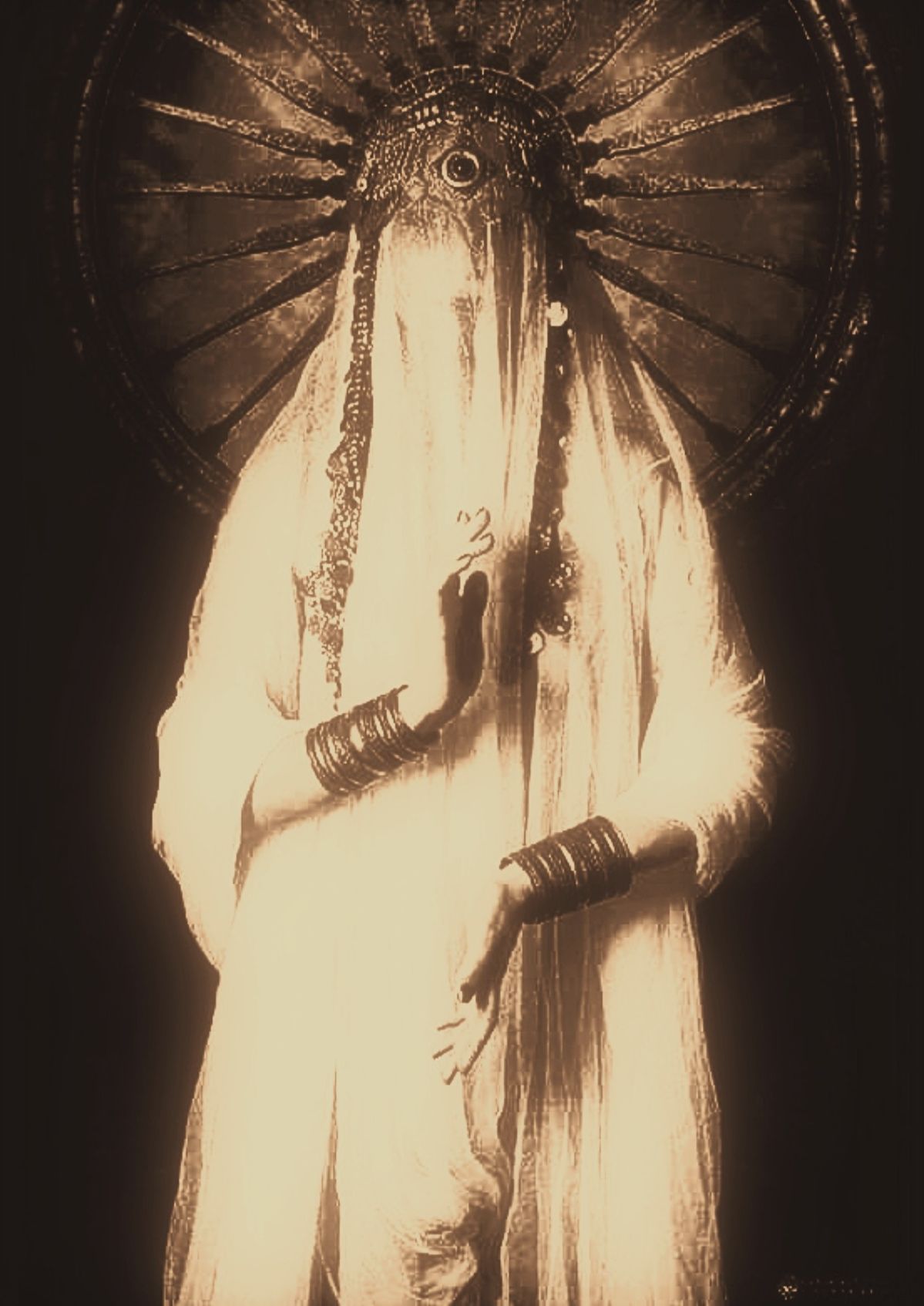
THE PERSIAN BAYÁN
Siyyid ʿAlī Muḥammad, the Báb | Volumes I–IV | English Translation
NOTE
This translation was digitally assisted, and for that reason, it is being released for free.
This English edition is based on the historical French translation of the Persian Bayán by A.-L.-M. Nicolas, published in four volumes between 1911 and 1914.
It is translated from Nicolas's French edition, not directly from the original Persian manuscripts.
Everything included in this library comes from my personal collection — texts I study, preserve, and rely on in my own work.
This is a working translation.
Rough, imperfect, and nowhere near the standard of a proper scholar.
Some passages, particularly technical theological expressions, numerical calculations, and sections affected by damaged source material, remain uncertain.
Nicolas's historical introductions, commentary, and personal interpretations have been distinguished from the words attributed to the Báb wherever possible.
This translation is offered for study, preservation, and independent investigation, not as an endorsement of every doctrine or ordinance contained within it.
That said, I pray that my small contribution to a field that changed my life is accepted from God.
━━━━━━━━━━━━━━━━━━━━
An English rendering of the Persian Bayán (Bayān-i Fārsī), one of the most important and extraordinary theological works of Siyyid ʿAlī Muḥammad, the Báb, the founder of the Bábí religious movement in nineteenth-century Iran.
Written during the final years of the Báb's life and imprisonment, the Persian Bayán presents an elaborate vision of divine revelation, the renewal of creation, resurrection, religious authority, and the relationship between successive manifestations of God.
Its theological world emerges from the language of the Qur'an, the traditions of the Ahl al-Bayt, and the esoteric teachings associated with Shaykhism, while advancing an independent religious system centred upon the Point of the Bayán and He Whom God Shall Make Manifest.
This edition brings together Nicolas's four French volumes in English, including his substantial historical introductions and explanatory notes.
The surviving text extends through Unity IX, Gate 10.
Inside:
The Point and the Primal Will
The mysteries of the Point, the origin of creation, the divine Names, the Primal Will, and the relationship between God, His manifestations, and the created world.
The Return of the Prophets and Imams
The extraordinary doctrine of return (rajʿa), including the return of Muḥammad, ʿAlī, Fāṭimah, al-Ḥasan, al-Ḥusayn, and the Imams through the successive manifestations of sacred realities.
Resurrection and the Day of Judgment
An esoteric interpretation of resurrection, death, the grave, the Ṣirāṭ, the Balance, Paradise, and Hell — understood through the appearance of divine revelation and the trial of recognition.
The Letters of the Living
The nineteenfold structure of sacred reality, the Letters of the Living, the mysteries of the number 361, and the relationship between the Point and the mirrors that reflect its light.
He Whom God Shall Make Manifest
The central promised figure of the Bayán, toward whom its ordinances, believers, and entire theological structure are directed.
The book repeatedly warns its followers against allowing attachment to an inherited religion to prevent recognition of a subsequent manifestation.
The Trial of Recognition
The recurring failure of religious communities to recognize the very truth they profess to await.
The relationship between belief and denial, allegiance and disassociation, outward religious authority and inward recognition.
The Renewal of Creation
The doctrine that successive manifestations inaugurate new spiritual worlds, bringing earlier dispensations to their fulfilment and opening new cycles of religious understanding.
The Laws and Ordinances of the Bayán
The practical religious system of the Bayán, including purification, prayer, marriage, commerce, charity, the treatment of others, the preservation of books, sacred places, and the obligations of believers.
The Mysteries of Letters and Numbers
The symbolic language of divine Names, letters, numerical correspondences, sacred formulas, and the metaphysical relationship between words and their spiritual realities.
The Historical Commentary of A.-L.-M. Nicolas
Rare scholarly observations, manuscript references, explanations of Bábí terminology, and a distinctly critical interpretation of the Báb's relationship to later religious movements.
━━━━━━━━━━━━━━━━━━━━
For students of Shiʿi esotericism, Shaykhism, Bábí and Bayānī theology, Islamic eschatology, rajʿa, sacred numerology, and comparative religious history, the Persian Bayán is an extraordinary and demanding work.
It offers a radically different way of approaching questions that have occupied religious communities for centuries.
What is resurrection?
What does it mean for the Imams to return?
What is the Day of Judgment?
How does a revelation renew the world?
And how can a people spend generations awaiting their promised deliverer, only to reject the very manifestation they believe themselves prepared to recognize?
The text does not merely propose answers.
It constructs an entire theological world around these questions.
Its historical laws, polemics, and interpretations should be studied critically, with attention to their original religious and historical context.
This is not a casual introduction to the Bábí movement.
It is an invitation to enter the theological architecture of the Bayán itself — to read, investigate, question, and understand a foundational text of one of the nineteenth century's most consequential religious movements.
PDF Edition | English Translation | Four Volumes | 4N0NYM0U5 Bayānī Archive
Source: A.-L.-M. Nicolas, Le Béyan persan, French edition (1911–1914).
You will receive a PDF (325 pages, approximately 4.7 MB).