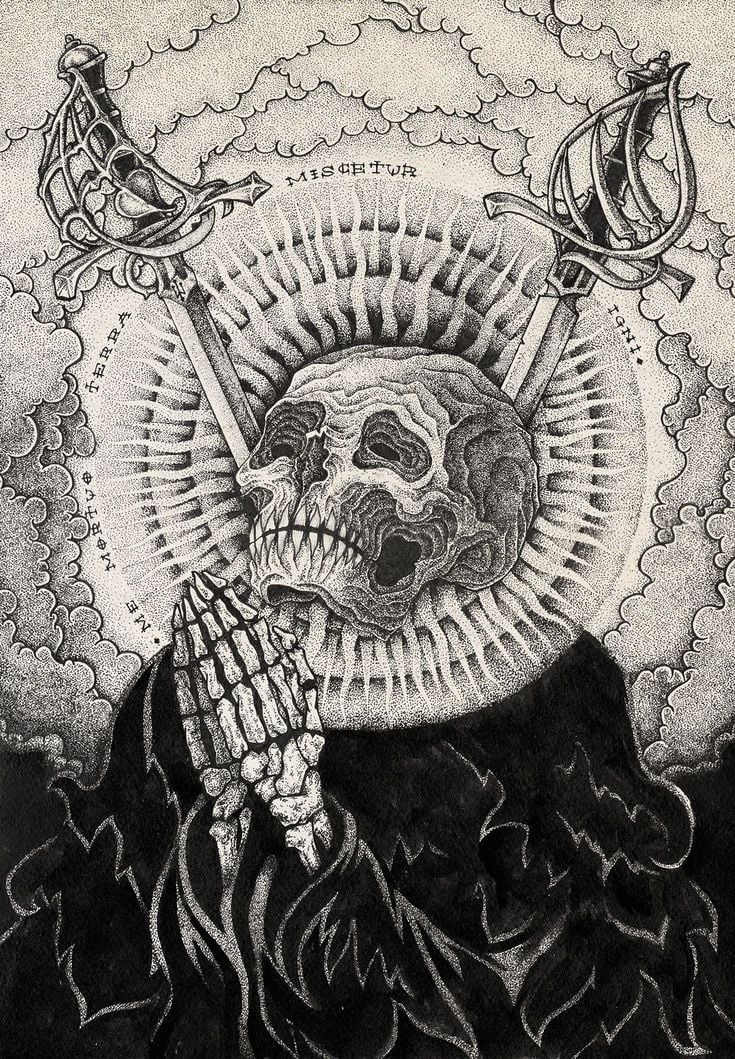
30 ON 1 BY @33DAMARI - PART 4
PART 1: THE WOUND THAT BECAME A THRONE
PART 3: THIRTY MOUTHS, ONE SOURCE
PART 5: THE QUEEN AND THE COUNTER-CALL
DAMARI
Hook
30 on 1, it’s 30 on one
Bitch it must be that I’m the one
Ahead of my time, call it what u want
They ganged up on me, I was by my ones
30 on 1, it’s 30 on 1
Bitch it must be that I’m the one
One-man army, that blade in his lungs
I like to get close just to hear ur last breath
Even if you kill me, i can’t die
Some truth and a whole lot of lies
Them boys pussy,
how u got bitches speaking for u
Don’t forget to lock the door
Them demons looking for you
Verse
I can’t get them off my dick like I’m Santa Clause
That stupid bitch a liar, and them boys starving dogs
Begging for my attention, all these missed private calls
Wishing that I took them serious, I can’t at all
How he read the future? I’m immortal too
It’s like a video game, how I be so quick to shoot
I made Thanksgiving dinner awkward
He fell down with a look on his face like it shocked him
I told brodie if it’s legal, I can’t stop him
If a muthafucka get too close then drop him
Eyes go black, when I’m on that mission
Fucking bitches that’s my new religion
All black attire, heart went militant
For this cause, I put my all; Ever Living
Opps stay dissing, cops stay hating on me
The only ones that get it, got it worse it’s crazy
But in the end we overcame we made it
visions of the future, in the end we made it
Cant shake me, they can’t tame me and, they hate it
It’s your fault if you underestimated
I’m ancient, and the latest
I know why its 30 on 1; I’m the Greatest
Outro
And they hate it!
I got upgraded
And they hate it!
The Accusation Comes Dressed as a Duty
ʿIlm al-Abwāb · The Smear Campaign, Part II
Somebody sends you a clip and asks you to share it. You ask for the full recording. They ask why you’re defending the man in it.
In that exchange, the accusation has already done some of its work. It has given your hesitation a meaning before you’ve had a chance to give it one yourself. You were trying to find out what happened. Now you’re being asked to prove whose side you’re on.
The first essay followed a story backward through the mouths that repeated it. This one follows it forward, to the point where believing the story starts to come with a duty.
Pharaoh asks for permission
In Qurʾān 40:26, Pharaoh asks those around him to let him kill Moses. Listen to how he explains himself. He fears Moses will change your religion or bring corruption into the land. The threat has to sound like it belongs to the people listening. Pharaoh is the one asking to act, but he speaks as if the people are the ones who stand to lose something if he is restrained.
That is a step beyond passing on a falsehood. A man can get you to defend his authority by making you feel that your own faith is under threat. Once you accept that description, asking him to account for what he wants to do can feel like failing to protect something sacred.
The word I listen for is therefore. A person was harmed, therefore you must condemn the one we name. Your community has been insulted, therefore your silence is betrayal. The first part can be true. The demand that follows still has to establish its own right to your obedience.
Who speaks for the wound?
This is where Jamal enters the song. ʿUthmān had been killed. The coalition that moved toward Basra took up the demand for his blood. In the Shiʿi reading I’m working from, the decisive move was to make that demand a claim on allegiance against Imam ʿAlī. Who had the right to tell people what the killing now required of them?
The report in Ṣaḥīḥ al-Bukhārī 7100 preserves ʿAmmār facing precisely that difficulty. He affirms ʿĀʾisha’s standing as the Prophet’s wife while asking the people to consider whom they owe obedience. Her standing matters because it explains why the call could reach people through something they already revered. In the Ḥawʾab report in Musnad Aḥmad 24254, that same standing becomes a reason for her to continue when she considers turning back. Someone reminds her that her presence might reconcile the Muslims. The account lets us see how a coalition can speak through a person and then appeal to that person’s sense of duty to keep her in place.
That is the part of the Queen of Deception archetype I want to keep. In my reading of Jamal, ʿĀʾisha is the visible centre at which the coalition’s political demand can be heard in a voice associated with the Prophet’s household. The men lend the centre its force, then take direction from it. When Imam ʿAlī addresses the people who answered the camel’s cry in Sermon 13, the responsibility falls on the people who answered. They still had a decision to make when they heard it.
The second call tells you what you owe
In al-Nuʿmānī’s Kitāb al-Ghayba, chapter 14, reports 19–20, the counterfeit call revives the demand to avenge ʿUthmān. In one account, people who received the first call turn around and dismiss it as magic. The second call gives them a reason to reverse their judgment. It brings back a grievance to which they already know how to respond, then asks them to make it the measure of what they have just heard.
That is a harder test than catching a lie in a caption. The demand may come from people who were there for you when nobody else listened. It may name a wound you share with them. You have to be able to hear the grievance, acknowledge whatever justice it is owed, and still ask what justifies this particular demand. Otherwise the people who first gave the wound a voice retain the power to tell you what it means every time they bring it up.
Qurʾān 4:83 describes people broadcasting news of security or alarm when it should have been referred to those able to draw sound conclusions from it. There’s a distinction there between the seriousness of the news and the authority to decide what follows. If the allegation is serious, it matters who can examine it and act justly on it. A public show of allegiance answers a different question.
The oath hidden in the request
In “30 on 1,” I ask why the men have somebody else speaking for them. There is another question underneath it. What did each man think he owed the others once the accusation reached him? Perhaps sharing it was how he proved he belonged. Perhaps his own grievance finally had somewhere to go. Then one day somebody asked where he got his certainty, and the only answer he could give was the name of the person who had spoken for him.
When somebody asks me to carry an accusation, I want to know whether I can ask for the original, question what it establishes, and decline to repeat it without being made part of the case. When asking for evidence becomes proof of betrayal, the request has become a demand for allegiance. That’s where the next piece begins.