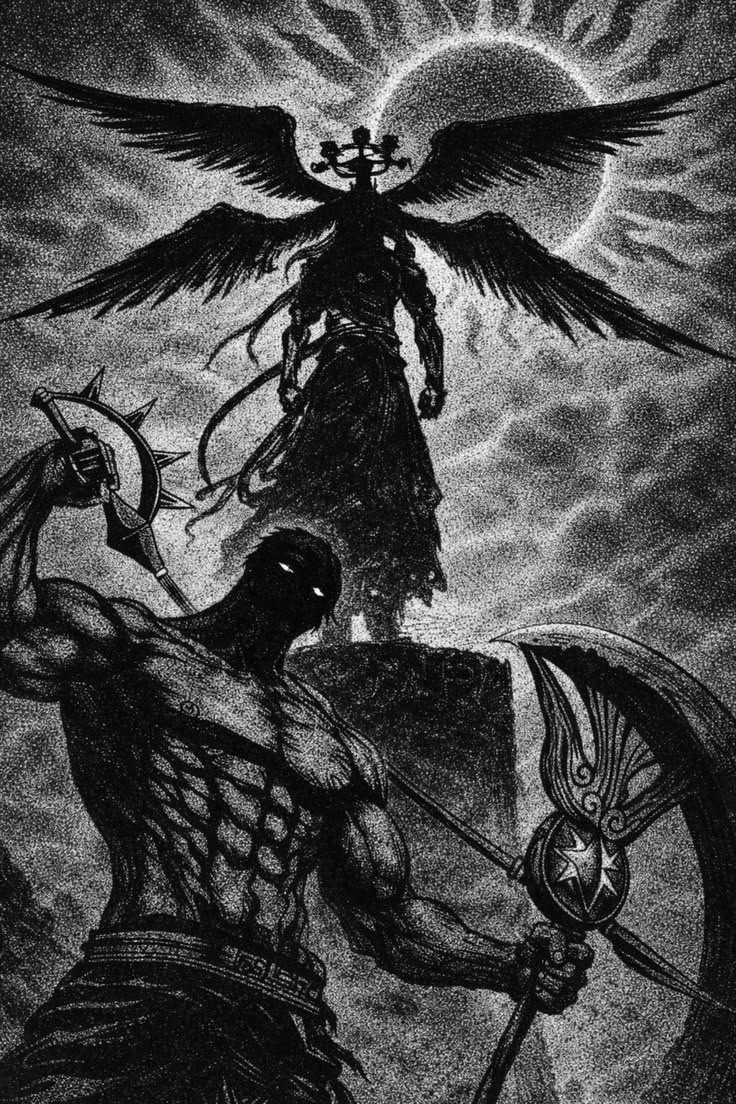
SPIN AGAIN BY DAMARI - PART 4
PART 1: DON'T SPEAK IN MY NAME
PART 2: FROM THE FIRST TO THE LAST
PART 3: THE DIAMOND THAT WRITES
PART 4: BRING THE ANSWER BACK INTACT
Hook
Your shooter wont do the drill,
My shooter wanna spin again
They don’t ask why, they just get masked up
It’s an honour for the ones that get it,
From the First to the Last One
Feast on every table, gang business
Became new family tradition
It’s a tragedy, you watched it come and go
Because you wouldn’t listen
Every diamond on my neck was earned in blood,
And they glisten
Diamonds on me shining so bright, they started dissing
Verse
Typical -
Diamonds on me, I came with glad tidings from the jeweler
Shawty was astonished when she knew that I’m just the shootah
And I was born for this,
All my life all I ever wanted to be
Was a shootah
if you know me forreal,
then you already knew that
Don’t get mad on my behalf, or ever speak in my name,
How you earned those scars, if you can’t hang with the gang?
How you love them bitches, and you never made it rain?
I relate with them shawties on another level
And it’s mad love
Every time I come around, yeah
I’m a dirty fuck
I had to accept that I’m a hound, yeah
A generous gangsta when he’s in yo town, tho
Stare at his neck too long, and you might drown, tho
Bring the Answer Back Intact
DAMARI · ʿIlm al-Abwāb · The Letter
Suppose I send you with an invitation and the person says no. Can you bring me their answer without improving it for either of us? Suppose they say yes to a conversation and ask you to keep the rest private. Can you bring me just that much?
When I say, “Don’t get mad on my behalf, or ever speak in my name,” I’m asking for something I also have to be able to give. I want my words to reach people, and I want a say in what gets done under my name. The person who answers me has the same claim on the person carrying their reply. The Herald’s fidelity is tested on the way back.
What exactly did they give you?
In the working translation of Arabic Bayān VI.18–19, there are separate instructions about looking at someone else’s papers, delivering a letter entrusted to you, and answering a letter. Permission matters in the first. The intermediary has a duty in the second. And the answer can be yes or no. The historical duty to reply belongs to the Bāb’s own setting. In an encounter today, the person can also leave the invitation unanswered.
The distinction is sharp enough to use in an ordinary conversation. Someone lets you read a letter. You know what they wrote. You still have to find out whether they wanted you to keep it to yourself, deliver it, or answer questions about it for them. Each step introduces another person who might hear the words and make a decision based on them.
Chapter 28 of the Qayyūm al-Asmāʾ puts that question inside the history of a set of documents. The Bāb asks merchants to return writings from the Remembrance’s trading days, including what came from his hand and what was written to them with his permission. He also restricts the use of the pages. The chapter pays attention to whose hand produced a text and whose permission put it into circulation. If somebody shows me a page and says it came from a person they know, I can ask how it reached them, who wrote it, and what they have leave to do with it now.
The messenger who has to go back
Joseph gives the intermediary a difficult assignment. The king sends for him. The messenger gets to the prison, and Joseph sends him back to ask about the women who cut their hands. The king offered an opening. Joseph answers with an inquiry into what happened before the opening was offered. The messenger has to be able to take that question into the palace even though it changes the business he was sent to conduct.
Chapter 51 of the Qayyūm, “Glory,” returns to that exchange. In the working translation, the king’s summons is recast as the speech of the Sovereign of sovereignty, and the instruction to return and ask survives inside the new address. The closing passage also changes how it describes the women’s cutting, so the two accounts deserve to be read side by side. For this piece, the feature I want to keep in view is the return journey.
What the person answers can change what the person at the front has to reckon with.
That gives the King and the Herald a better scene than the one where everybody gets the message and does exactly what was anticipated. The King has to be able to hear a question he didn’t send. The Herald has to be able to deliver it without turning it into a softer question or a louder grievance. If somebody tells me, “I’ll talk to you, but first I want to know what happened to the last thing I told you,” that first condition belongs in the reply. It may be the most important thing they said.
How much of the anger is yours?
“Don’t get mad on my behalf” makes me answer for more than whether I quoted somebody accurately. If I feel protective, I can hear hesitation as disrespect. By the time I report the conversation, I may be certain I’m describing the other person when what I’m giving you is the account of how I felt in the room.
The hook says, “They don’t ask why.” The verse gives that loyalty something harder to do. Ask before you answer for me. Let a person finish telling you what they want. And if you come back with a reply I didn’t want, I have to give you room to bring it straight. Otherwise, I’ll train you to tell me what you think I can bear and call that loyalty.
There are a few words that make this practical. Here is what they said. Here is what they asked me to pass on. Here is how I took it. If I can say those three things without sliding from one into the next, you can decide what to do with the words I brought you. And if somebody tells me there’s a part they want kept in the room, I can leave it there.
The first piece in this sequence asked who gets fed. The second asked what the diamond writes. The letter puts one more person in view: the one who receives it, opens it, and decides what to say in return.
Carry their answer carefully enough that, when it reaches the person at the front, it still belongs to the person who gave it.