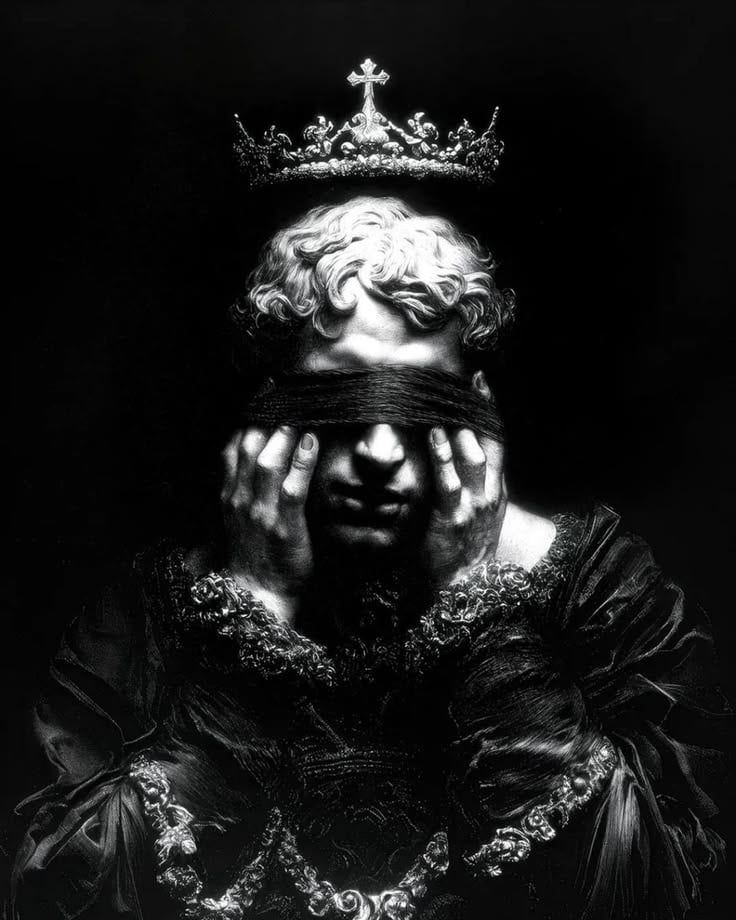

BLINK BY @33DAMARI - PART 2
- BLINK PART 1: WHO IS MISSING FROM THE HOUSE?
- BLINK PART 2: WHEN YOU OPEN YOUR EYES
- BLINK PART 3: WHAT THE OTHER EYE SEES
BLINK
Mase_MadeIt × DAMARI
Hook · DAMARI
Past enemy lines, you left me stranded
That shit woke up the beast I had to manage
That shit made me go crazy, they had to vanish
Had to get it in blood, I had to have it
First I was drowning, I started floating on it
It got so wavy so quick, I was astonished
I had to come back so many times, now it’s easy
I became a walking prayer speaking
Verse 1 · DAMARI
Bring you to your knees, I make you praise God
Hear it in my voice, I’m ’bout to take off
Don’t ask for answers that you can’t shake off
I caught a mood swing on you and switched up
You were playing games, but I got the cheat codes
Only bitch I trust is my Nina when she blows
Knew you ten-plus years if I still call you bro
I been with my day ones, all we do is smoke
All they know is blow, all they know is gun smoke
All I know is getting money from where you run from
I been waiting for like 20,000 years
Staring into nothing, let the blink appear
Cold-blooded, but I won’t drink your tears
Even if you see me, no, I’m still not here
Fell to my knees when you opened your eyes
You whispered my name, I started to rise
The hook returns before Mase_MadeIt enters.
The beast I had to manage
BLINK begins with somebody missing. The speaker has been left stranded, and whatever would ordinarily have answered for him on the other side of the line is gone. “That shit woke up the beast I had to manage.” The verb manage complicates the boast before it has time to settle. What wakes up may get him out. He still has to live with it once he’s through.
The next image comes as a surprise to the speaker himself. The water that was drowning him begins to carry him. He is astonished at how fast that happens. There’s a kind of knowledge in this which only arrives after you’ve already had to use it. You find out what you can withstand while you’re withstanding it. Later, when the danger is past, it takes a different kind of judgment to decide how much of that response you want to take home with you.
“I had to come back so many times, now it’s easy.” The line sounds like mastery, and the words had to keep the cost audible. Coming back has become a faculty. Then the speaker makes the claim that the rest of the verse has to bear. “I became a walking prayer speaking.” If a prayer can walk around in the body of a man who has learned to survive this way, what can it ask him to do with the capacities he acquired in the water?
Who falls to his knees?
The verse starts with the speaker bringing somebody else to their knees. He can hear what his voice does and likes knowing that he can do it. A few bars later, he admits how narrow the field of trust has become. Ten years may qualify somebody to be called a brother. Even among those who qualify, the verse leaves considerable room for doubt about what they know of one another.
Then comes the stretch that gives the song its title. “I been waiting for like 20,000 years / Staring into nothing let the blink appear.” The number gives the wait its felt duration. The harder line follows. “Even if you see me, no I’m still not here.” A face can become familiar to people who have never reached the person wearing it. A performer can help that happen. He can give people a voice, a set of gestures, and enough truth to hold their attention, then keep the rest of himself out of the room.
That possibility has been established by the time somebody opens their eyes. The voice that said it could bring you to your knees now belongs to the man on his knees. Nobody competes with him for volume. The name comes in a whisper. It’s the smallest sound in the verse, and it does something the loud voice couldn’t do for itself.
The sight that comes through another
In Qurʾān 12:93, Joseph sends his shirt to be laid on his father’s face and tells his brothers to bring the family. In verse 96 the bearer of good news arrives and Jacob recovers his sight. The garment reaches Jacob while Joseph is still elsewhere. What changes first is Jacob’s relation to the person he has been grieving. They still have to see each other again.
The Bāb makes an extraordinary shift in verse 37 of the Chapter of the Bees. The shirt is carried to the Proof, the Imam, who may look through the eyes of the people carrying it. Their sight concerning the Gate then sharpens. Todd Lawson connects the passage to the idea that people bear signs of the Imam or Prophet through which they can recognize his station. His notes also preserve a variant between my Imam and your Imam. Even the question of who is speaking, and from where, has to be kept in view.
The correspondence with BLINK is in the order of the verbs. You opened your eyes. I fell to my knees. You said my name. I started to rise. The effect crosses from one person to the other. The Bāb gives that crossing a particular meaning within his account of the Imam, the Remembrance, and the Gate. In the song the addressee stays unnamed, and the scene can be heard in the ordinary terms of a person discovering that somebody else is capable of seeing him.
There is a Shiʿi report that brings the matter to the scale of brotherhood. In al-Kāfī, al-Ṣādiq calls one believer another believer’s eye and guide. The report goes on to describe duties of loyalty and truthful counsel. It matters what the other eye enables you to see. A brother may be the one person who can tell you that a manner of looking which once kept you alive is now keeping you from seeing him. If you can hear that from him, the relationship has given you a faculty that all your vigilance couldn’t supply.
That is what changes for me when the hook returns. “I had to come back so many times, now it’s easy” is still true in the terms the song has given it. The speaker knows how to come back from places where he was left alone. But there is another kind of return in “I started to rise,” and he can only tell us how it began. Somebody opened their eyes, saw enough to say his name, and left him room to answer.